Why Some People Sleep Fine After an Espresso: The CYP1A2 Story
Coffee wakes some people for twelve hours and barely touches others. The difference is largely written in two genes. Here is what the genetics of habitual coffee consumption actually shows, and how to read your own.
In the coffee houses of 17th-century London, a penny bought you a cup and a seat, and the regulars argued about politics until the candles burned down. Some of them, presumably, went home and slept perfectly well. Others lay awake composing pamphlets. Neither group knew that the difference was partly written into their livers.
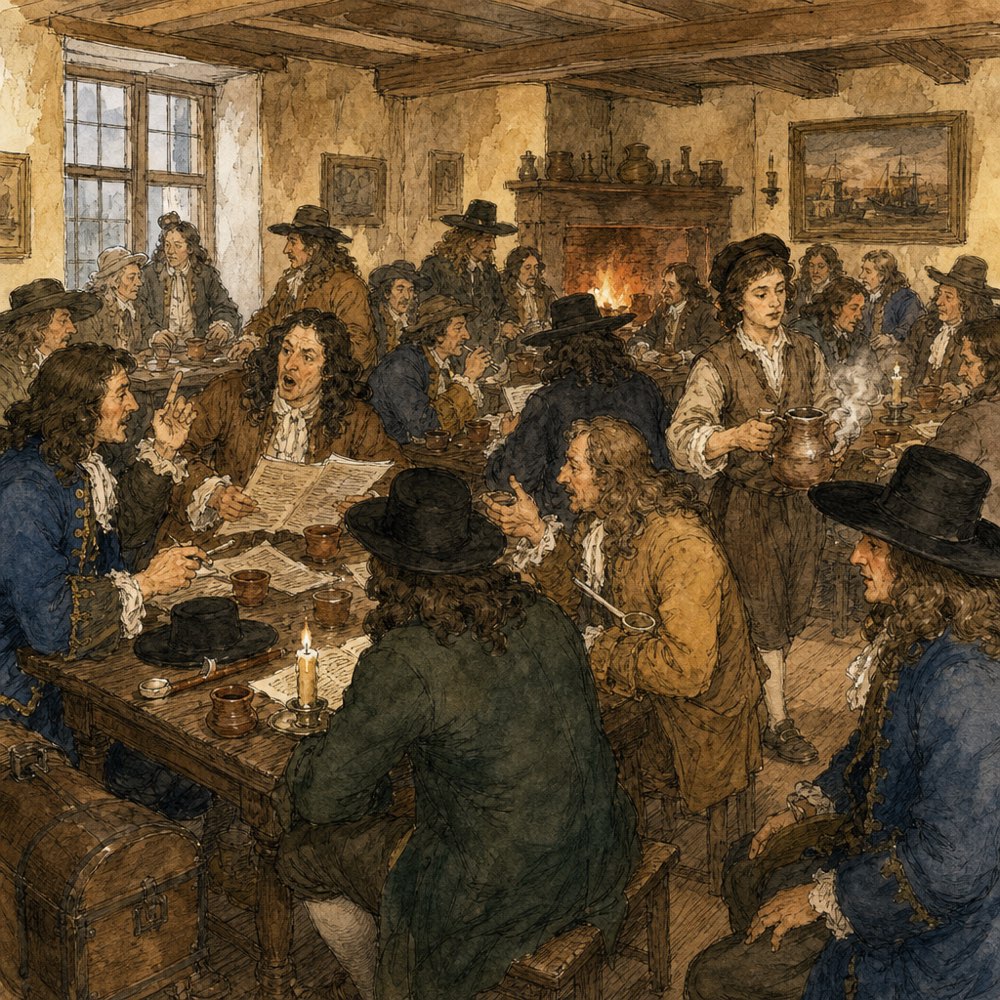 The penny universities. Three centuries before anyone could name CYP1A2.
The enzyme that does most of the work
Roughly 95% of the caffeine you drink is broken down by a single enzyme, cytochrome P450 1A2, encoded by the CYP1A2 gene. How fast that enzyme works varies substantially between people, and a common variant in the gene, rs762551, tracks with the difference. Carriers of the A/A genotype are typically described as fast metabolisers; carriers of a C allele clear caffeine more slowly.
The clinical relevance of this showed up in a case-control study of myocardial infarction across Costa Rica. Among slow metabolisers, higher coffee intake was associated with increased risk of non-fatal heart attack, while among fast metabolisers the same intake showed no such association — and at moderate intake, appeared inversely associated (Cornelis et al., JAMA, 2006, PMID: 16522833). The dose that matters, in other words, depends on the enzyme reading it.
A caveat worth stating plainly: this is one observational study population, and the interaction has not been uniformly replicated. It describes an association across a group, not a verdict on any individual.
What the genome-wide data added
The larger picture came from a meta-analysis of genome-wide association studies covering more than 90,000 coffee drinkers of European and African-American ancestry. It confirmed the two established signals near AHR (rs4410790) and CYP1A2 (rs2472297) and identified six further loci — including POR and ABCG2, both plausibly involved in caffeine metabolism, and GCKR, MLXIPL, BDNF and SLC6A4, which sit closer to metabolic and reward biology (Cornelis et al., Molecular Psychiatry, 2015, PMID: 25288136).
The interpretation the authors favour is worth holding onto. These variants do not encode a taste for coffee. They appear to shape how much caffeine a person needs to drink to reach the effect they are chasing, and how long the cost of that drink stays with them. People titrate their own dose, mostly without knowing it.
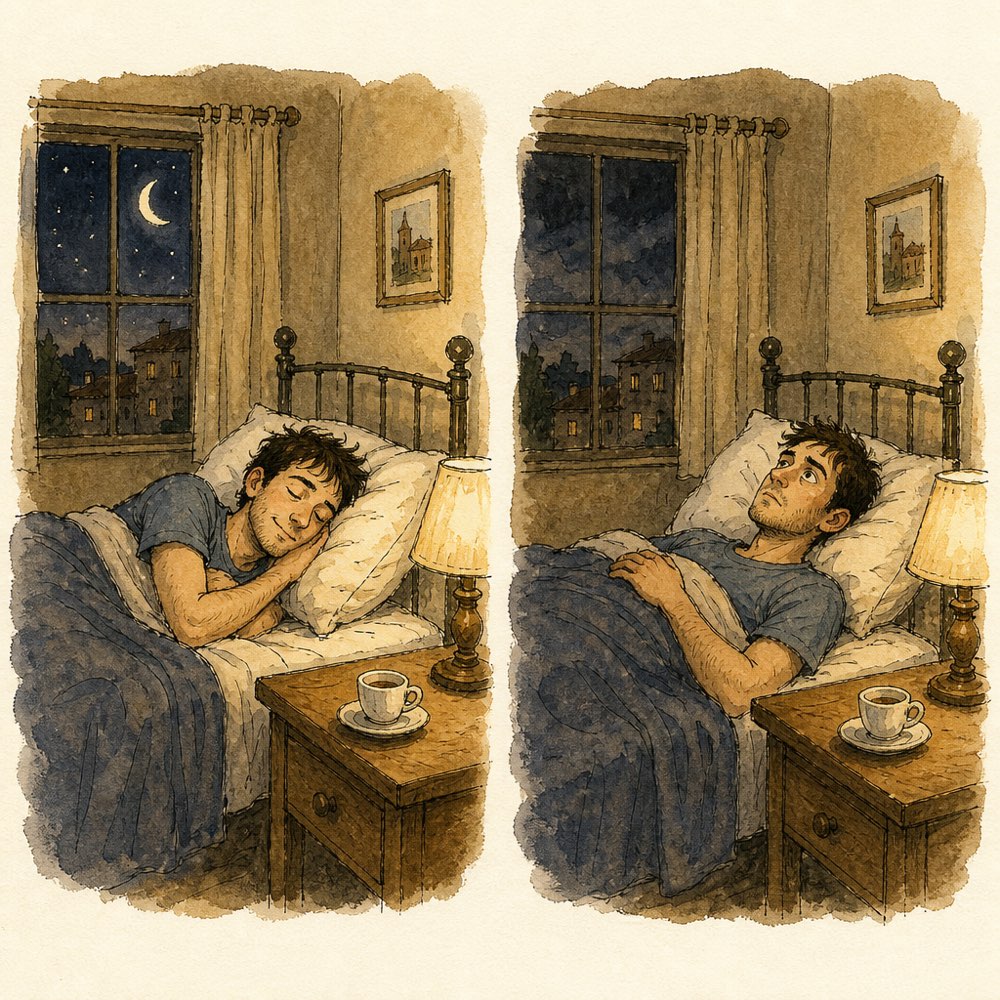 Two people, one espresso, very different afternoons.
Effect sizes, honestly
Each of these variants shifts habitual consumption by a fraction of a cup per day. Combined, the known loci explain only a small share of the variation between people. Sleep debt, tolerance, pregnancy, smoking and certain medications all move caffeine clearance too — smoking in particular induces CYP1A2 substantially. Your genotype is one input among several, and it is not the largest one on every day of your life.
This is genetic predisposition, not diagnosis. Nothing here should change a medication, and if you have a cardiac history, that conversation belongs with your doctor rather than with a blog post.
Reading your own
The Coffee Metabolism app applies the findings from Cornelis and colleagues to your uploaded genotype and reports where you sit on the metaboliser spectrum, variant by variant, with the underlying study cited throughout — that is, where you would have fallen among the participants of that research had you taken part in it.
It will not tell you whether to have the second cup. It will tell you, with reasonable confidence, how long that cup intends to stay.